
Showing 1–12 of 14 results
-
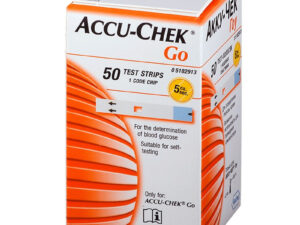
Accu Chek Go – Roche
$69.00 Add to cart -

BD Emerald Syringes with Needles 1 ml – Becton Dickinson
$23.00 Add to cart -
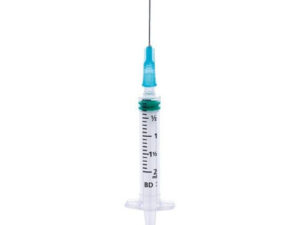
BD Emerald Syringes with Needles 2 ml – Becton Dickinson
$23.00 Add to cart -
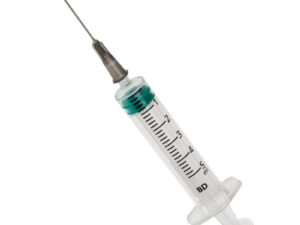
BD Emerald Syringes with Needles 5 ml – Becton Dickinson
$23.00 Add to cart -
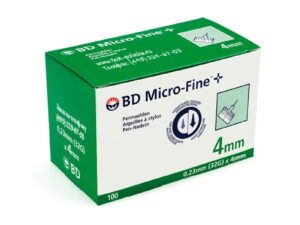
Insulin BD Micro-Fine 4mm – Becton Dickinson
$41.00 Add to cart -
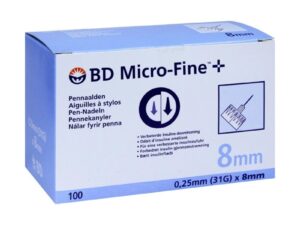
Insulin BD Micro-Fine 8mm – Becton Dickinson
$41.00 Add to cart -

Insulin BD Syringes With Needles – 4 mm – Becton Dickinson
$35.00 Add to cart -

Insulin BD Syringes With Needles – 8 mm – Becton Dickinson
$35.00 Add to cart -
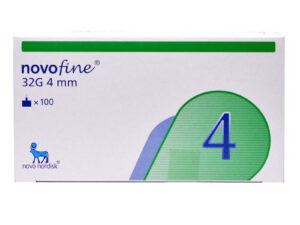
Novofine 4 mm – Novo Nordisk
$37.00 Add to cart -
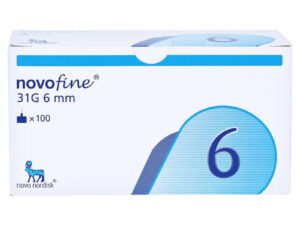
Novofine 6 mm – Novo Nordisk
$37.00 Add to cart -

Novofine 8 mm – Novo Nordisk
$37.00 Add to cart -

Syringes 1 ml – Becton Dickinson
$23.00 Add to cart
Syringes & Needles – Medical Injection Supplies
Syringes and needles are essential medical tools used to deliver liquid medications into the body. These sterile injection devices are widely used in healthcare settings for administering vaccines, hormone therapies, insulin treatments, and other injectable medications.
The Syringes & Needles category at Mednix Steroids provides a variety of medical injection supplies designed for precision dosing and safe administration of liquid compounds. These devices allow medications to be measured accurately and delivered efficiently through subcutaneous or intramuscular injections.
Medical syringes and hypodermic needles are manufactured under strict sterile conditions to ensure safety and reliability. Healthcare professionals rely on these devices every day to deliver treatments in hospitals, clinics, and research environments.
Understanding the different types of syringes and needles available can help users select the appropriate equipment for specific injection procedures.
What Are Syringes?
A syringe is a medical device consisting of a hollow cylindrical barrel and a movable plunger used to draw liquid medication into the chamber and push it through a needle. Syringes are designed to measure precise amounts of liquid medication before injection.
Modern syringes are typically made from sterile plastic and are intended for single use to prevent contamination or infection.
Syringes are available in multiple sizes, allowing healthcare professionals to measure different volumes of medication depending on treatment requirements.
Common syringe sizes include:
-
1ml syringes
-
3ml syringes
-
5ml syringes
-
10ml syringes
Each syringe type is designed to deliver medication accurately while maintaining sterile conditions.
Types of Syringes
Luer Lock Syringes
Luer lock syringes feature a threaded tip that securely locks the needle into place. This design prevents accidental needle detachment during injection.
These syringes are commonly used for:
-
hormone injections
-
peptide injections
-
injectable medications
Luer Slip Syringes
Luer slip syringes allow the needle to be pushed directly onto the tip of the syringe. While easier to attach, they do not provide the same locking mechanism as luer lock syringes.
These syringes are often used for routine injections and laboratory procedures.
What Are Hypodermic Needles?
Hypodermic needles are thin hollow tubes attached to syringes that allow medication to pass through the skin and into body tissue.
Needles vary in both gauge (thickness) and length, which determines the type of injection performed.
Needle Gauge
The gauge number refers to the diameter of the needle.
Common gauges include:
-
18G needles
-
21G needles
-
23G needles
-
25G needles
-
27G needles
A higher gauge number indicates a thinner needle.
Needle Length
Needles are available in different lengths depending on injection depth.
Common needle lengths include:
-
½ inch needles
-
1 inch needles
-
1.5 inch needles
Shorter needles are typically used for subcutaneous injections, while longer needles may be used for intramuscular injections.
Insulin Syringes
Insulin syringes are specifically designed for administering insulin injections used in diabetes treatment. These syringes feature very thin needles and precise measurement markings to ensure accurate dosing.
Insulin syringes are commonly available in:
-
0.3ml syringes
-
0.5ml syringes
-
1ml syringes
These devices allow patients to safely administer insulin injections at home or in clinical settings.
Importance of Sterile Injection Supplies
Sterility is one of the most important factors when using injection equipment. Syringes and needles must remain sterile to prevent infection and contamination.
Most medical syringes and needles are designed for single-use only, meaning they should be disposed of after one injection.
Using sterile equipment ensures:
-
reduced infection risk
-
accurate medication delivery
-
safer medical procedures
Healthcare professionals always recommend following proper hygiene and disposal practices when handling injection devices.
Syringes and Needles in Medical Practice
Syringes and needles are used in many different areas of medicine, including:
-
vaccinations
-
hormone therapy
-
insulin injections
-
laboratory research
-
hospital treatments
These tools allow medications to be delivered quickly and efficiently into the body.
Medical advancements continue to improve syringe technology by creating safer designs that reduce accidental needle injuries and improve injection accuracy.
FAQs – Syringes & Needles
What are syringes used for?
Syringes are used to measure and inject liquid medications into the body through a needle.
What is a hypodermic needle?
A hypodermic needle is a hollow medical needle used to deliver medications through the skin.
What is the difference between syringe sizes?
Syringe sizes refer to the amount of liquid medication they can hold, typically measured in milliliters.
What does needle gauge mean?
Needle gauge indicates the thickness of the needle. Higher gauge numbers represent thinner needles.
Are syringes sterile?
Most medical syringes and needles are sterile and intended for single use to prevent infection.
What are insulin syringes used for?
Insulin syringes are designed for administering insulin injections in diabetes treatment.
Conclusion
Syringes and needles remain fundamental tools in modern healthcare, allowing medications to be delivered accurately and safely. From insulin injections to hormone therapy and vaccinations, these devices support many essential medical treatments.
The Mednix Steroids Syringes & Needles category provides access to a range of sterile injection supplies designed for precise dosing and safe administration. Understanding the differences between syringe sizes, needle gauges, and injection types helps ensure proper use and improved treatment outcomes.
As medical technology advances, injection devices continue to evolve, offering safer and more efficient methods of delivering medications in both clinical and research environments.