
Showing 1–12 of 14 results
-

Brufen 400 – Abbott
$12.00 Add to cart -

Brufen 600 – Abbott
$14.00 Add to cart -

Cataflam 50 – Novartis
$18.00 Add to cart -

Deltacortril – Pfizer
$12.00 Add to cart -

Hyalgan – Fidia
$167.00 Add to cart -

Muscoflex – Bilim
$18.00 Add to cart -
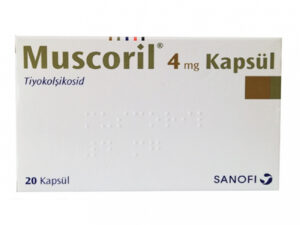
Muscoril – Sanofi
$17.00 Add to cart -

Omnacortil 10 mg – Macleods
$7.00 Add to cart -

Omnacortil 20 mg – Macleods
$12.00 Add to cart -
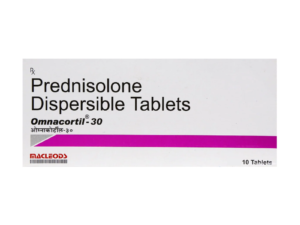
Omnacortil 30 mg – Macleods
$17.00 Add to cart -

Omnacortil 40 mg – Macleods
$25.00 Add to cart -

Omnacortil 5 mg – Macleods
$7.00 Add to cart
Anti-Inflammatory Medications
Inflammation is a natural biological response that helps the body defend itself against infection, injury, and harmful stimuli. When tissues become damaged or exposed to pathogens, the immune system triggers inflammation as part of the healing process. This response often causes redness, swelling, warmth, and pain in the affected area.
While inflammation is an essential defense mechanism, excessive or chronic inflammation can contribute to many health conditions. Long-term inflammatory responses have been linked to diseases such as arthritis, autoimmune disorders, cardiovascular disease, and certain metabolic conditions.
Anti-inflammatory medications are pharmaceutical treatments designed to reduce inflammation, relieve pain, and improve comfort for individuals experiencing inflammatory conditions. These medications are commonly used in clinical medicine to treat both short-term injuries and chronic inflammatory diseases.
Anti-inflammatory treatments may work by blocking chemical signals responsible for inflammation or by suppressing immune responses that cause tissue swelling and pain. These medications are widely used in healthcare and are among the most commonly prescribed pharmaceutical treatments worldwide.
Understanding how anti-inflammatory medications work and when they are used can help patients and readers better understand their role in managing various health conditions.
How Anti-Inflammatory Medications Work
Inflammation occurs when the immune system releases chemicals that increase blood flow and immune activity in damaged or infected tissues. While this response helps fight infections and repair injuries, it can also produce symptoms such as swelling, discomfort, and stiffness.
Anti-inflammatory medications target the biochemical pathways involved in the inflammatory process. These drugs typically work by blocking enzymes or chemical messengers that trigger inflammation in the body.
For example, many anti-inflammatory drugs inhibit enzymes known as cyclooxygenase (COX). These enzymes are responsible for producing prostaglandins, which are chemicals that contribute to pain and inflammation.
By reducing prostaglandin production, anti-inflammatory medications can effectively relieve symptoms and improve mobility in individuals experiencing inflammatory conditions.
Types of Anti-Inflammatory Medications
There are several categories of anti-inflammatory medications used in modern healthcare. Each type works through different mechanisms and may be used for different medical conditions.
Non-Steroidal Anti-Inflammatory Drugs (NSAIDs)
NSAIDs are one of the most widely used classes of anti-inflammatory medications. They are commonly used to treat mild to moderate pain and inflammation associated with injuries, headaches, muscle pain, and arthritis.
Examples of NSAIDs include:
-
Ibuprofen
-
Naproxen
-
Diclofenac
-
Aspirin
These medications reduce inflammation by blocking COX enzymes that produce inflammatory chemicals.
Corticosteroids
Corticosteroids are powerful anti-inflammatory medications used to treat more severe inflammatory conditions. These medications mimic hormones naturally produced by the adrenal glands and help suppress immune responses that cause inflammation.
Corticosteroids may be prescribed for conditions such as:
-
Autoimmune diseases
-
Severe allergic reactions
-
Asthma
-
Inflammatory bowel disease
Because corticosteroids can affect immune function and hormone balance, they are typically used under medical supervision.
Other Anti-Inflammatory Treatments
In addition to traditional medications, new pharmaceutical therapies are being developed to target specific inflammatory pathways in the body. These treatments may include biological medications and immune-modulating drugs used for certain autoimmune disorders.
Medical research continues to explore new anti-inflammatory therapies to improve treatment outcomes for chronic inflammatory diseases.
Conditions Treated with Anti-Inflammatory Medications
Anti-inflammatory medications are commonly used to treat a wide range of health conditions involving inflammation.
Some of the most common conditions treated with anti-inflammatory drugs include:
-
Arthritis and joint inflammation
-
Muscle injuries and strains
-
Chronic inflammatory disorders
-
Allergic reactions
-
Autoimmune diseases
-
Post-surgical inflammation
These medications can help reduce discomfort, improve mobility, and support recovery by controlling excessive inflammation.
Importance of Responsible Anti-Inflammatory Medication Use
Although anti-inflammatory medications are widely used and generally effective, they should be used responsibly. Like all medications, they may cause side effects if used improperly or in excessive doses.
Healthcare professionals typically recommend using the lowest effective dose for the shortest possible duration to minimize risks.
Possible side effects of some anti-inflammatory medications may include:
-
Stomach irritation
-
Digestive discomfort
-
Increased risk of bleeding
-
Effects on kidney or liver function with long-term use
Patients should always consult healthcare professionals before starting or changing any medication regimen, especially when managing chronic conditions.
Frequently Asked Questions (FAQs)
What are anti-inflammatory medications?
Anti-inflammatory medications are drugs used to reduce inflammation, swelling, and pain in the body. They are commonly used to treat injuries, arthritis, and inflammatory diseases.
How do anti-inflammatory drugs work?
These medications work by blocking chemical signals or enzymes that trigger inflammation. This helps reduce swelling and relieve pain in affected tissues.
What conditions require anti-inflammatory medication?
Anti-inflammatory medications may be used for conditions such as arthritis, muscle injuries, inflammatory disorders, allergies, and autoimmune diseases.
What are NSAIDs?
NSAIDs (non-steroidal anti-inflammatory drugs) are a class of medications used to relieve pain and reduce inflammation without using steroid hormones.
Are anti-inflammatory medications safe?
Most anti-inflammatory medications are safe when used according to medical guidelines. However, improper use or long-term high doses may increase the risk of side effects.
What is the difference between NSAIDs and corticosteroids?
NSAIDs reduce inflammation by blocking enzymes involved in inflammatory pathways, while corticosteroids suppress immune responses that trigger inflammation.
Why should anti-inflammatory medications be used carefully?
Because these medications can affect several biological systems, proper dosing and medical guidance help reduce the risk of complications.
Conclusion
Anti-inflammatory medications are essential tools in modern healthcare, helping reduce pain, control swelling, and improve quality of life for individuals experiencing inflammatory conditions. From minor injuries to chronic inflammatory diseases, these medications provide relief by targeting the biological pathways responsible for inflammation.
Scientific advancements in pharmaceutical research continue to improve anti-inflammatory therapies, leading to safer and more effective treatments for a wide range of conditions. As healthcare continues to evolve, new medications and treatment strategies are being developed to better manage inflammation and support long-term patient health.
Educational resources like those provided by Mednix aim to help readers better understand how anti-inflammatory medications work and how they contribute to modern medical treatment. Order K2spray online.
Responsible medication use, combined with professional medical guidance, remains essential for achieving the best possible health outcomes when managing inflammatory conditions.