
Showing 1–12 of 14 results
-

CellCept 500 – Roche
$130.00 Add to cart -
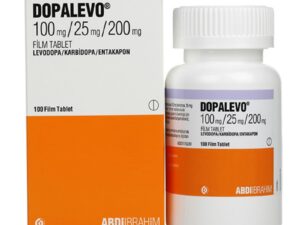
Dopalevo 100/25/200 – Abdi Ibrahim
$110.00 Add to cart -
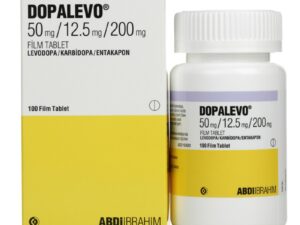
Dopalevo 50/12.5/200 – Abdi Ibrahim
$106.00 Add to cart -

Emla Cream 5% – AstraZeneca
$181.00 Add to cart -

Enbrel (Pre-Filled Pen) – Pfizer
$1,029.00 Add to cart -

Enbrel (Vial) – Pfizer
$1,133.00 Add to cart -

Herceptin 150 – Roche
$736.00 Add to cart -

Humira Pre-Filled Pen – Abbott
$1,587.00 Add to cart -

Leukeran 2 – GSK
$196.00 Add to cart -

Strattera 25 – Lilly
$137.00 Add to cart -

Temodal 100 – MSD
$253.00 Add to cart -

Velcade 3.5 mg – Janssen-Cilag
$782.00 Add to cart
General Pharmaceutical Medications
General pharmaceutical medications refer to a broad range of medical treatments designed to prevent, manage, or treat various health conditions. These medications are developed through scientific research and clinical testing to ensure their safety, effectiveness, and reliability when used appropriately.
Pharmaceutical medicines play a critical role in modern healthcare systems across the world. From managing chronic diseases to treating infections and reducing symptoms, medications allow millions of people to live healthier and more productive lives. These treatments are typically prescribed by healthcare professionals and are manufactured under strict regulatory standards to ensure consistent quality.
General pharmaceutical medications include treatments for a wide range of conditions such as infections, metabolic disorders, cardiovascular diseases, inflammatory conditions, and neurological disorders. Each medication works through specific biological mechanisms that target particular pathways within the body.
Understanding how these medications function can help individuals make informed decisions about healthcare and improve awareness of treatment options available for different medical conditions.
Types of General Pharmaceutical Medications
General pharmaceutical medications can be grouped into several categories depending on the conditions they are designed to treat.
Anti-Inflammatory Medications
Anti-inflammatory drugs are commonly used to reduce inflammation, swelling, and pain caused by injuries, infections, or chronic conditions. These medications work by blocking certain chemical signals in the body that trigger inflammatory responses.
Common anti-inflammatory medications include nonsteroidal anti-inflammatory drugs (NSAIDs), corticosteroids, and other anti-inflammatory therapies used in clinical medicine.
Antibiotics and Antivirals
Antibiotics and antiviral medications are used to treat infections caused by bacteria or viruses. Antibiotics work by killing bacteria or preventing them from multiplying, while antiviral medications inhibit viral replication inside the body.
These medications are essential for treating infectious diseases and preventing complications caused by untreated infections.
Diabetes Medications
Diabetes medications help regulate blood glucose levels and improve metabolic function in individuals with diabetes. These treatments may include insulin therapy, oral medications that improve insulin sensitivity, and newer therapies designed to regulate glucose metabolism.
Proper management of blood sugar levels is crucial for preventing long-term complications such as nerve damage, kidney disease, and cardiovascular problems.
Cardiovascular Medications
Heart and cardiovascular medications are used to manage conditions such as high blood pressure, high cholesterol, and other cardiovascular disorders. These medications may include blood pressure treatments, cholesterol-lowering medications, blood thinners, and drugs that support heart function.
Maintaining cardiovascular health is essential for reducing the risk of heart attacks, strokes, and other serious complications.
Importance of Pharmaceutical Medications in Healthcare
Pharmaceutical medications are one of the most important tools used in modern medicine to treat and manage diseases. Advances in medical research have led to the development of medications that target specific biological processes, making treatments more effective and safer than ever before. Order THC Vape juice Europe.
These medications are designed to:
-
Control disease progression
-
Manage symptoms
-
Prevent complications
-
Improve overall quality of life
Healthcare professionals carefully select medications based on a patient’s condition, medical history, and treatment goals. This personalized approach ensures that patients receive the most appropriate therapy for their specific health needs.
Responsible use of medications is essential to ensure safety and effectiveness. Patients should always follow medical advice, adhere to recommended dosages, and consult healthcare providers before starting or changing any medication regimen.
Frequently Asked Questions (FAQs)
What are general pharmaceutical medications?
General pharmaceutical medications refer to a wide range of medicines used to treat, prevent, or manage various health conditions such as infections, chronic diseases, and metabolic disorders.
How do pharmaceutical medications work?
Pharmaceutical medications work by interacting with biological processes in the body. They may block harmful pathways, stimulate beneficial responses, or replace substances that the body lacks.
Why are medications important in healthcare?
Medications are essential for controlling diseases, reducing symptoms, preventing complications, and improving overall health outcomes.
What are the most common types of pharmaceutical medications?
Common pharmaceutical medications include anti-inflammatory drugs, antibiotics, antivirals, diabetes treatments, cardiovascular medications, and many other therapeutic drugs.
Are pharmaceutical medications safe?
Most medications are considered safe when used according to medical guidelines and under professional supervision. However, improper use may increase the risk of side effects.
Can medications interact with each other?
Yes, some medications can interact with others. This is why it is important to consult healthcare professionals before combining different medications.
Why is it important to follow medication instructions?
Following medical instructions ensures that medications work effectively and reduces the risk of adverse effects or complications.
Conclusion
General pharmaceutical medications play a fundamental role in modern healthcare by helping prevent disease, manage chronic conditions, and improve patient outcomes. From treating infections to controlling metabolic disorders and cardiovascular diseases, pharmaceutical therapies support millions of people in maintaining better health and quality of life.
Scientific advancements continue to drive innovation in the pharmaceutical industry, leading to the development of safer and more effective treatments for a wide variety of health conditions. As research progresses, new medications and therapies are constantly being introduced to address evolving healthcare challenges.
Understanding how pharmaceutical medications work and the importance of responsible use can empower individuals to make informed healthcare decisions. Educational resources like those provided by Mednix aim to increase awareness about treatment options and promote better understanding of pharmaceutical therapies.
By prioritizing accurate information, responsible medication use, and ongoing medical research, pharmaceutical medicine will continue to play a critical role in supporting global health and improving patient care.